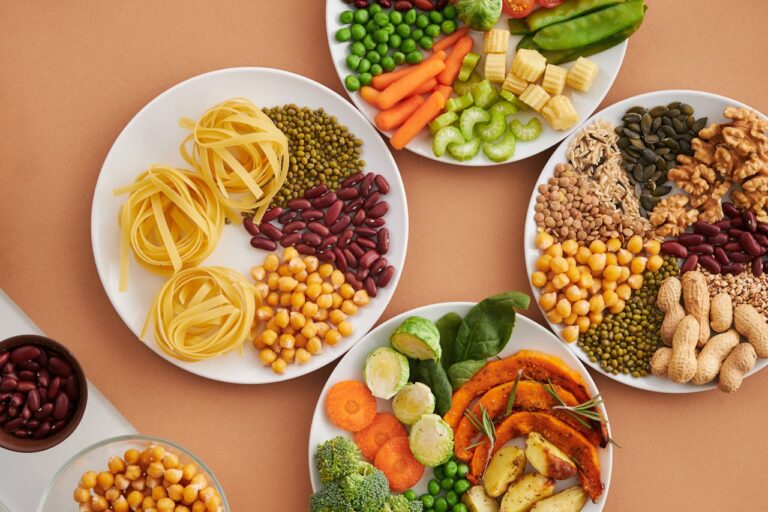




Struggling with guilt, cravings, or food rules? These practical, science-backed strategies will help you repair your relationship with food and build lasting, calm eating habits.
Relearn Hunger and Fullness Cues
Begin by checking in with your body before you eat, during the meal, and after you finish. Practice naming sensations, such as empty, neutral, satisfied, and stuffed, so you can link feelings to food choices rather than rules.
Use short experiments: eat a small, balanced snack and note how long until hunger returns. Repeating small experiments trains trust in your internal signals and reduces reliance on external dieting rules.
Pro Tip: Keep a simple hunger-fullness scale from 1 to 10 on your phone, and log one check-in per day to see patterns emerge.
Use Mindful Eating to Slow the Cycle
Mindful eating asks you to focus on flavors, textures, and body responses while you eat, which naturally slows the pace and increases satisfaction. Start with a one-bite practice, paying attention to each sensation for the length of one mindful inhale and exhale.
Set small habits like removing distractions once per day, or taking three deep breaths before your first bite. These tiny changes increase awareness and reduce emotional or automatic eating over time.
Quick Tip: Try a 10-minute screen-free meal once daily to notice how quickly satisfaction rises when you slow down.
Shift from Rules to Flexible Guidelines
Rigid food rules create shame when they are broken, which fuels cycles of restriction and bingeing. Replace “never” and “always” with flexible guidelines that let you enjoy food while meeting goals most of the time.
Create phrases like, “I tend to feel better when I include protein and veggies,” instead of forbidding treats. This keeps you accountable without making food a moral issue.
Expert Insight: Write three flexible rules that align with your health and happiness, and review them monthly to keep them realistic.
Practice Compassion for Food Slip-Ups
Stiff self-criticism after a slip only deepens the problem and makes it harder to make better choices. Treat slip-ups as data about triggers, timing, or context, rather than evidence of failure.
Use a compassionate script: acknowledge what happened, note what you learned, and decide one small next step. That approach shortens the guilt cycle and supports consistent progress.
Insider Tip: Keep a short log of slips with one sentence about the trigger and one action you will try next time.
Reconnect Pleasure with Nourishing Choices
Many people think healthy food must be joyless, which pushes them toward extremes. Blend pleasure and nutrition by pairing favorite flavors with whole foods, such as yogurt with fruit and a sprinkle of granola.
Experiment with herbs, spices, and textures to make meals more tempting. When food feels pleasurable, you are less likely to overeat to compensate for unmet cravings.
Heads Up: Build one “pleasure plus nutrition” meal each week and gradually increase that to most meals.
Set Predictable Meal Patterns
Erratic eating can make cravings louder and decisions harder. Aim for predictable meal and snack windows that fit your schedule and include protein, fiber, and healthy fats to stabilize appetite.
Predictability reduces decision fatigue and prevents the extreme hunger that fuels impulsive choices. It also helps you plan convenience foods that meet your aims without restrictive thinking.
Worth Knowing: Use a meal rhythm, such as breakfast within two hours of waking and a balanced snack midafternoon, to curb intense evening overeating.
Work on Emotional Regulation Skills
Eating for emotional reasons is common, but food rarely fixes the underlying feeling. Build a toolbox of nonfood coping strategies such as short walks, journaling, calling a friend, or a five-minute breathing exercise.
Practice one nonfood strategy whenever you notice an emotional urge to eat. Over time your brain will learn alternative ways to soothe itself, reducing emotional eating episodes.
Pro Tip: Create a “pause plan”: take three minutes when an urge hits, name the emotion, and choose one alternative action before deciding about food.
Reframe Goals Around Behavior, Not Weight
Focusing solely on weight encourages restriction and chasing numbers instead of sustainable habits. Choose behavior-based goals like “eat vegetables at two meals daily” or “stop eating after 9 pm three nights per week.”
Behavior goals give you clear, repeatable actions and allow progress even when the scale stalls. This builds confidence and a healthier relationship with food over the long term.
Quick Tip: Pick one micro-goal for the coming week and track it daily with a simple yes or no checkbox.
Challenge Food Rules with Gentle Experiments
Unwritten rules such as “no carbs after 6 pm” often lack evidence and increase anxiety around food. Test one rule at a time with short experiments to gather your own data about how certain choices make you feel.
Document your mood, sleep, digestion, and energy for three days when you break the rule, then compare. Real-world feedback replaces fear and gives you permission to make informed choices.
Expert Insight: Run a three-day experiment on one rule, then review results and decide if the rule is serving you or harming your peace.
Get Support and Set Boundaries Around Food Talk
Support from friends, family, or a professional therapist or dietitian speeds recovery of your food relationship. Ask for what you need, whether that is nonjudgmental listening or practical meal support.
Set clear boundaries for conversations that trigger anxiety, like dieting talk or unsolicited advice. Protecting your emotional environment helps you practice new habits without sabotage.
Insider Tip: Prepare two short scripts: one to request helpful support and one to politely redirect or decline diet-focused conversations.
Next Steps: Create a Personal Action Plan
Pick three strategies above to focus on this month, write simple actions for each, and schedule check-ins with yourself. Small, consistent steps beat dramatic overhauls that burn out quickly.
Which one will you start with this week, and what is one tiny action you can take in the next 24 hours to begin? Share below so others can learn from your plan.